riding mower seat replacement
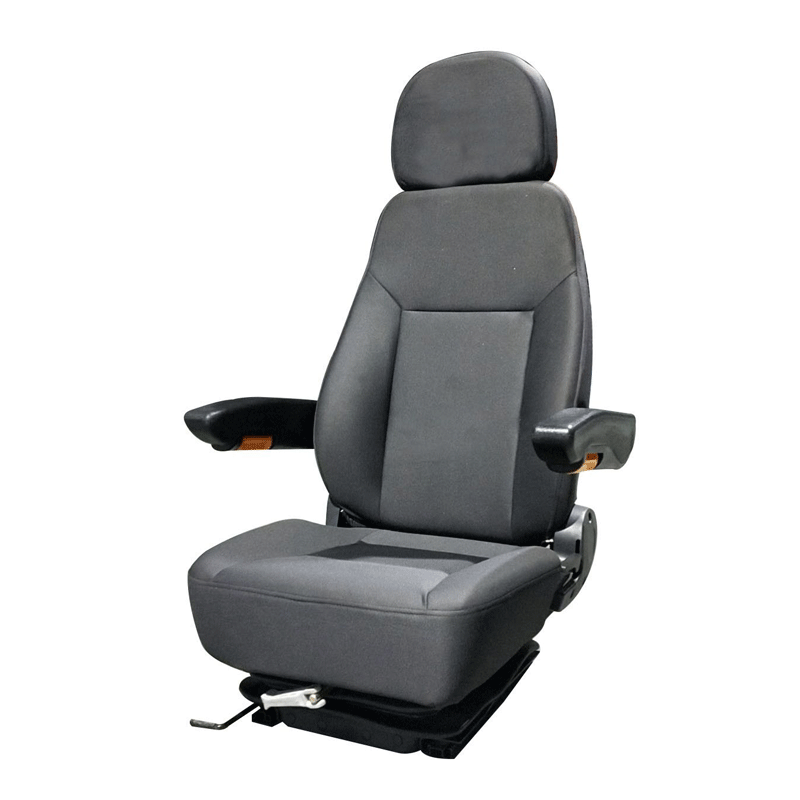
Choosing a Replacement Seat for Your Mower: Field Notes from the Shop Floor If your back is grumbling after a day on the mower, it may be time to look at a replacement lawnmower seat . In fact, many pros swap in heavy-duty “tractor-grade” seats for mowers because the construction is tougher, the suspension is better, and—surprisingly—the price often makes sense. What’s changing in the market Two big trends I keep seeing: vibration control and modular fitment. Suspension-now beats bare pan seats, with elastomer or coil-over mechanisms cutting whole-body vibration (WBV). Also, more seats arrive with multi-hole mounting patterns and slide rails that align with common mower frames—good news if you’re retrofitting. Core specs to check Here’s a compact spec snapshot from a field-tested tractor-grade model built in Yuhua District, Shijiazhuang, Hebei, China—often adapted as a replacement lawnmower seat for zero-turns and pro walk-behinds with sulkies. Spec Typical Value (≈ / around) Notes Mounting pattern 120×280 mm & 140×320 mm (slots) Fits many mower frames with adapter brackets Slide travel ≈150 mm Tool-free lever adjust Suspension stroke 80–100 mm Coil + elastomer hybrid Operator weight range 50–130 kg Dial preload adjust Foam & cover Molded PU + PVC/PU blend UV, mildew, and splash resistant Electrical Seat switch optional For PTO/engine interlock compliance How it’s built (quick process flow) Materials: stamped steel pan (phosphated), powder-coated frame, high-resilience PU foam, PVC/PU cover. Methods: robotic welding; foam molding; adhesive lamination; seam double-stitching; final assembly with torque control. Tests: vibration per ISO 2631-1 guidance; 100,000-cycle slide/fold fatigue; 120 kg drop test (5,000 cycles); salt-spray ≈ 72 h; UV aging ≈ 500 h. Real-world use may vary. Service life: around 5–7 seasons in commercial mowing with storage; longer in light-duty residential. Certifications/fit: seat-belt anchor options per SAE J386; safety interlock readiness for ANSI/OPEI B71.1 compliant systems. Where it works best Zero-turns on rough turf, municipal grounds, sports fields, orchards, and landscaping trailers. Many customers say fatigue drops noticeably after switching to a replacement lawnmower seat with real suspension. Vendor comparison at a glance Vendor Pros Watch-outs Changshu OKJ (Hebei, China) Robust suspension, multi-pattern mounts, strong QC, fair pricing Lead time for custom stitching/colors Generic aftermarket Lowest upfront cost Inconsistent foam density, limited testing data OEM dealer seat Direct-fit, brand-matched upholstery High price, fewer customization choices Customization and real-world results Options: logo embossing, contrast stitching, heater kit, marine-grade cover, armrests, seat switch harness, orange/black colorways. Case A (Municipal grounds, 14 units): Recorded ≈18% reduction in operator WBV at seat base vs. worn pan seats; fewer end-of-day complaints. Case B (Landscape contractor, 7 zero-turns): After-season audit showed 0 failures; two minor cover scuffs (trailers). Swap time per unit ≈ 25 minutes with adapter plates. Install tips (quick) Measure bolt pattern twice; photograph undercarriage rails—saves a trip back to the shop. Keep the factory safety interlock: transfer or add a seat switch for ANSI/OPEI B71.1 compliance. Dial in preload with the heaviest expected operator—honestly, it makes a clear difference. Origin note: manufactured in Yuhua District, Shijiazhuang, Hebei, China, with batch QC records and traceable lots. As a replacement lawnmower seat , it hits the sweet spot between comfort and durability for most pro crews I’ve met. Authoritative references ISO 2631-1: Evaluation of human exposure to whole-body vibration ANSI/OPEI B71.1: Consumer Turf Care Equipment – Safety Specs SAE J386: Operator Restraint Systems for Off-Road Work Machines EU Machinery Regulation (EU) 2023/1230
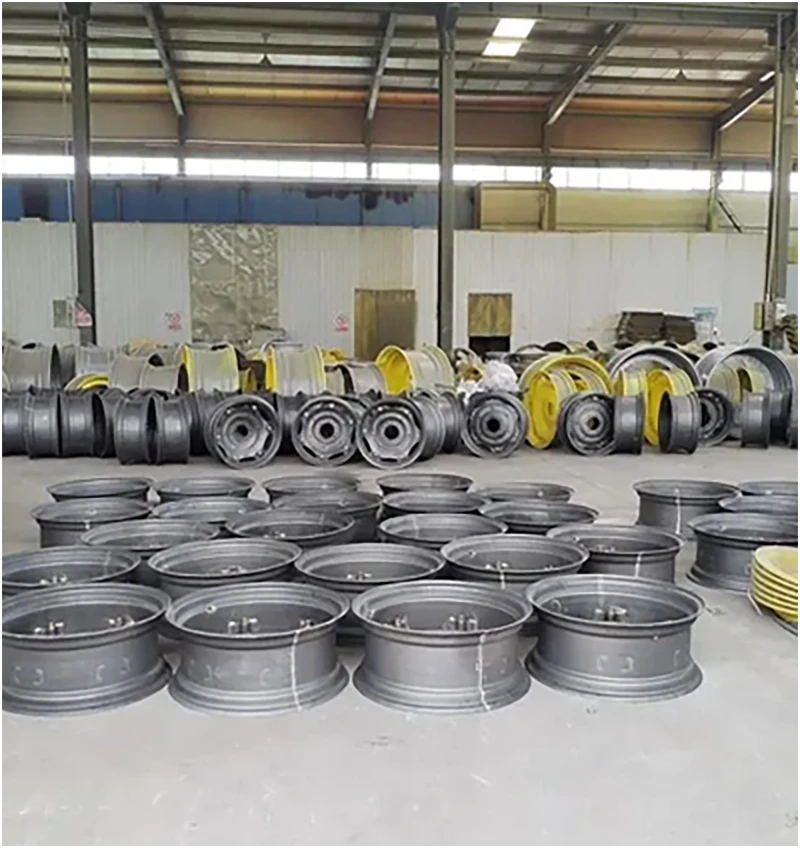

Our Products
The manufacturer integrates casting machining paint and delivery into one. We can cast logo on the valve
body or as clients' requirements to produce.
body or as clients' requirements to produce.
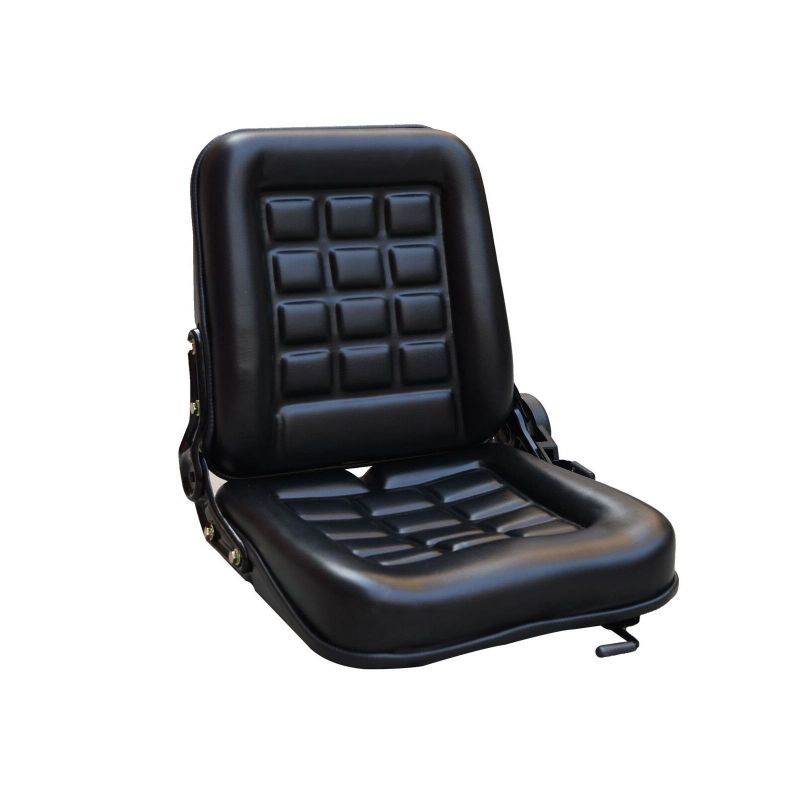
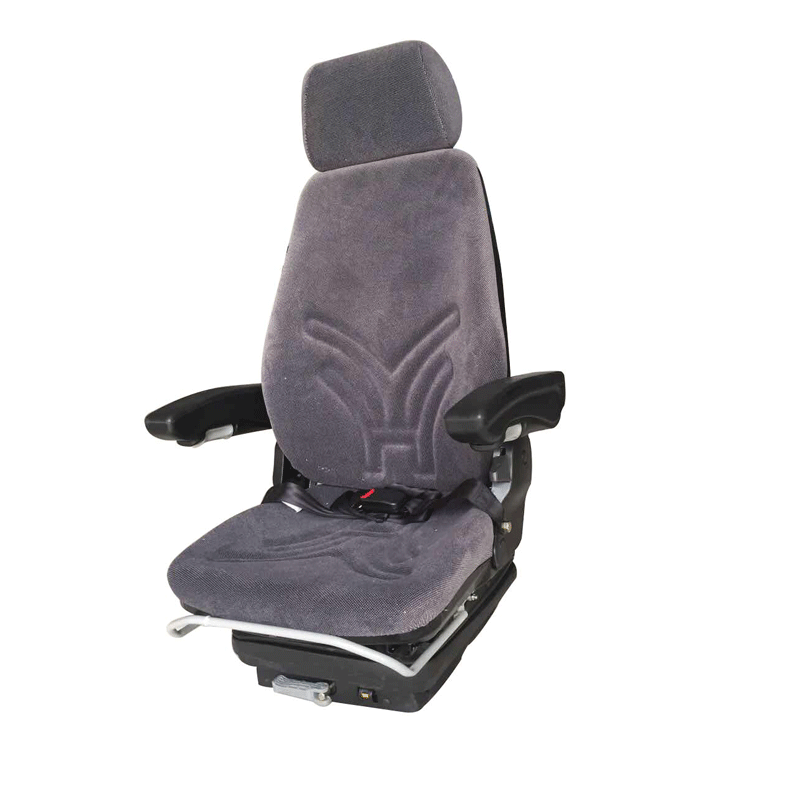
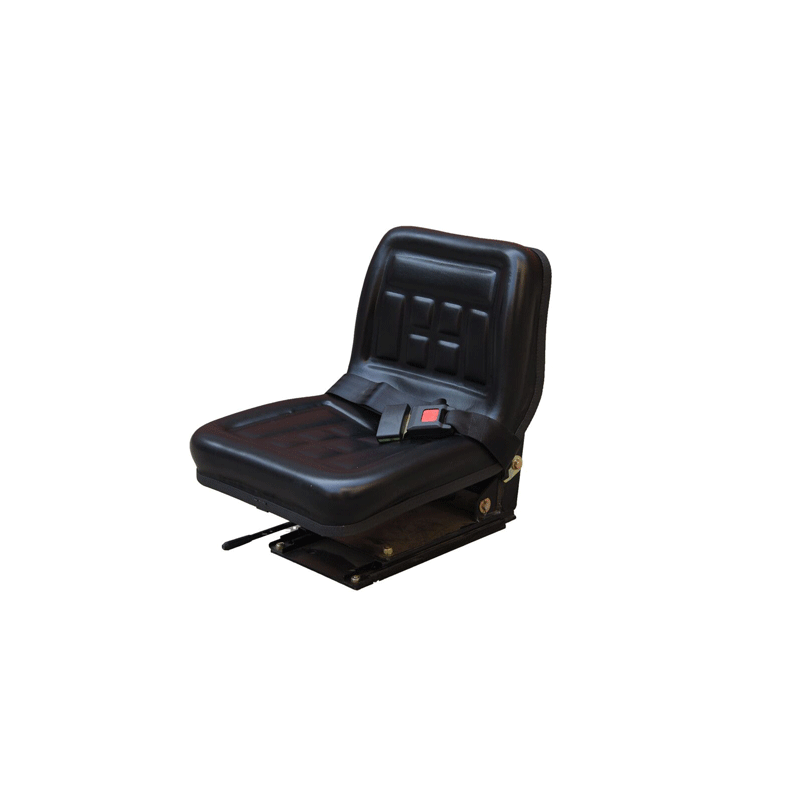

Success Cases
The manufacturer integrates casting machining paint and delivery into one. We can cast logo on the valve
body or as clients' requirements to produce.
advantages
Unlock Exclusive Advantages
Changshuo Tech specialize in manufacturing and exporting for electric cable and tractor
wheel rim & seats for over than 20 years.
wheel rim & seats for over than 20 years.
-

 Delivery TimeOrders can be delivered in 2-3 weeks after the confirmed and prepayment-paid
 -

 Cooperate ImportersMore than 10importers from Southeast Aisa for cables and 30 importers for tractor spare parts
 -

 After-Sale Service24 hour-service is available after sale, any problems will be resolved by negotiate
 -

 PackageStandard export Package, OEM or ODM package is available
Recent Important Stories
Changshuo Tech specialize in manufacturing and exporting for electric cable and tractor
wheel rim & seats for over than 20 years.
wheel rim & seats for over than 20 years.